Communities
The Two Wellingtons: HOA Neighborhoods and the Equestrian Preserve
Wellington is one village with two ways of living: deed-restricted HOA neighborhoods and the Equestrian Preserve. How to tell which one you're picturing.
By Ella Falcone7 min read
When someone asks me what Wellington is like, my honest answer is a question: which Wellington?
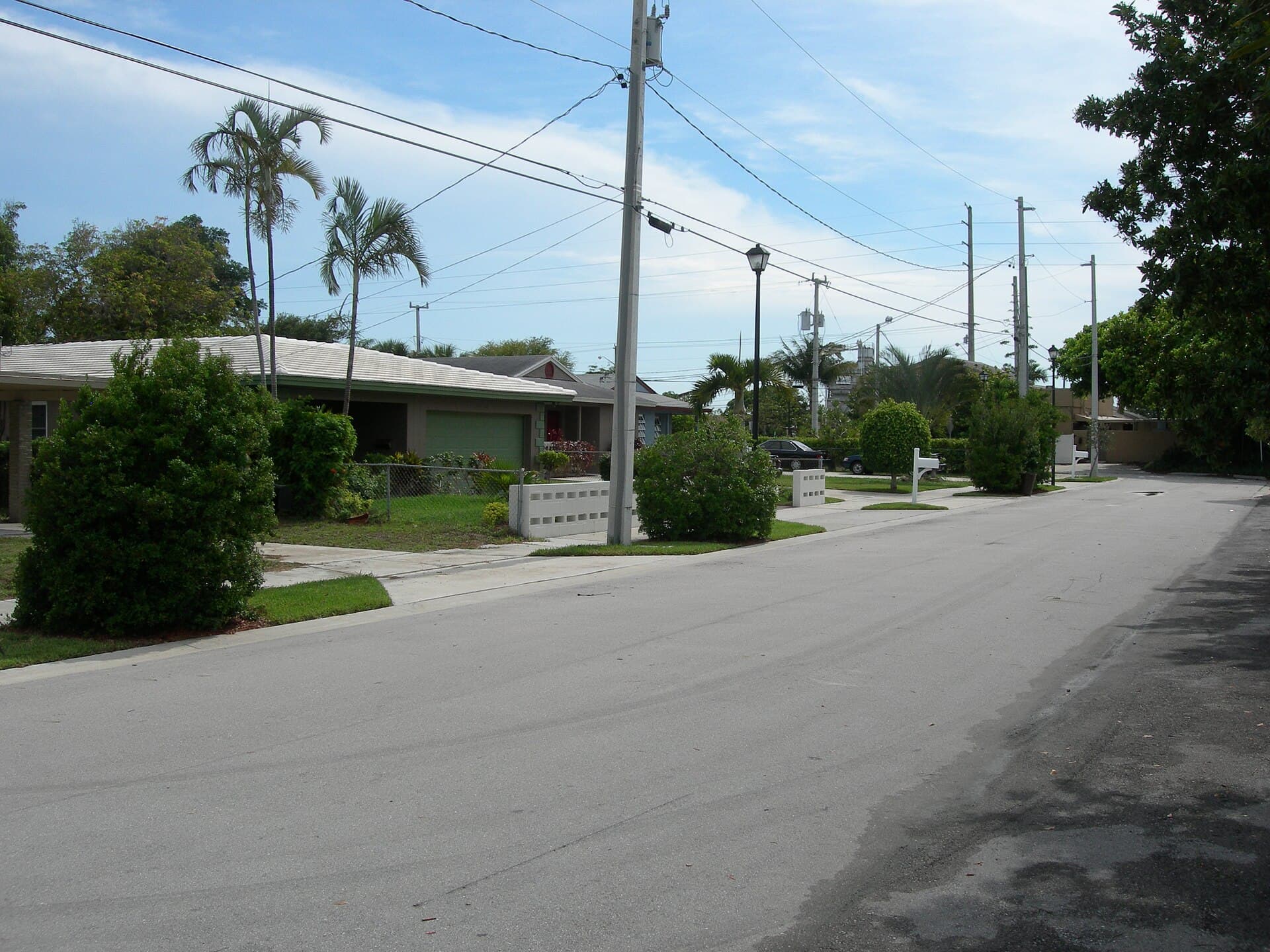
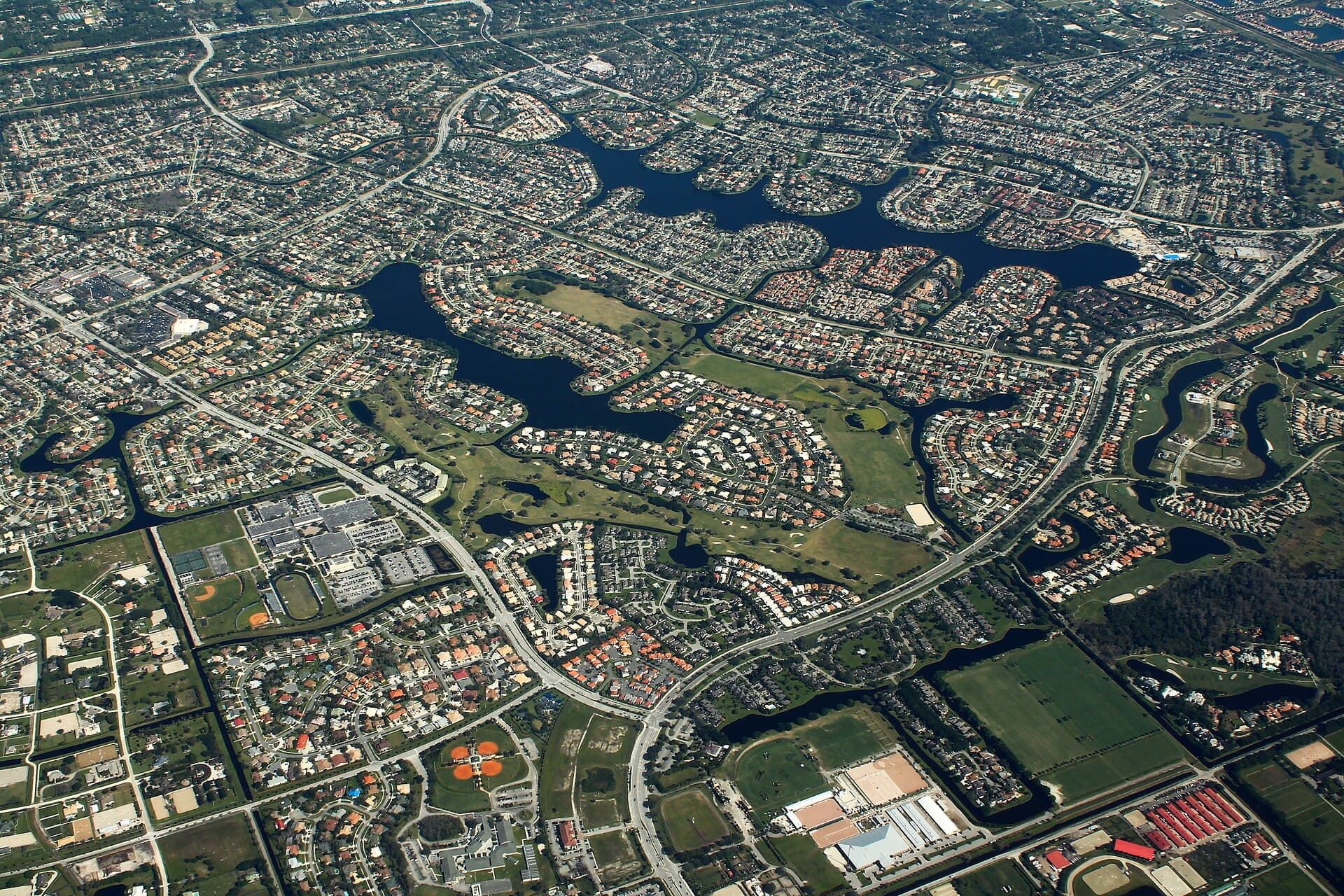
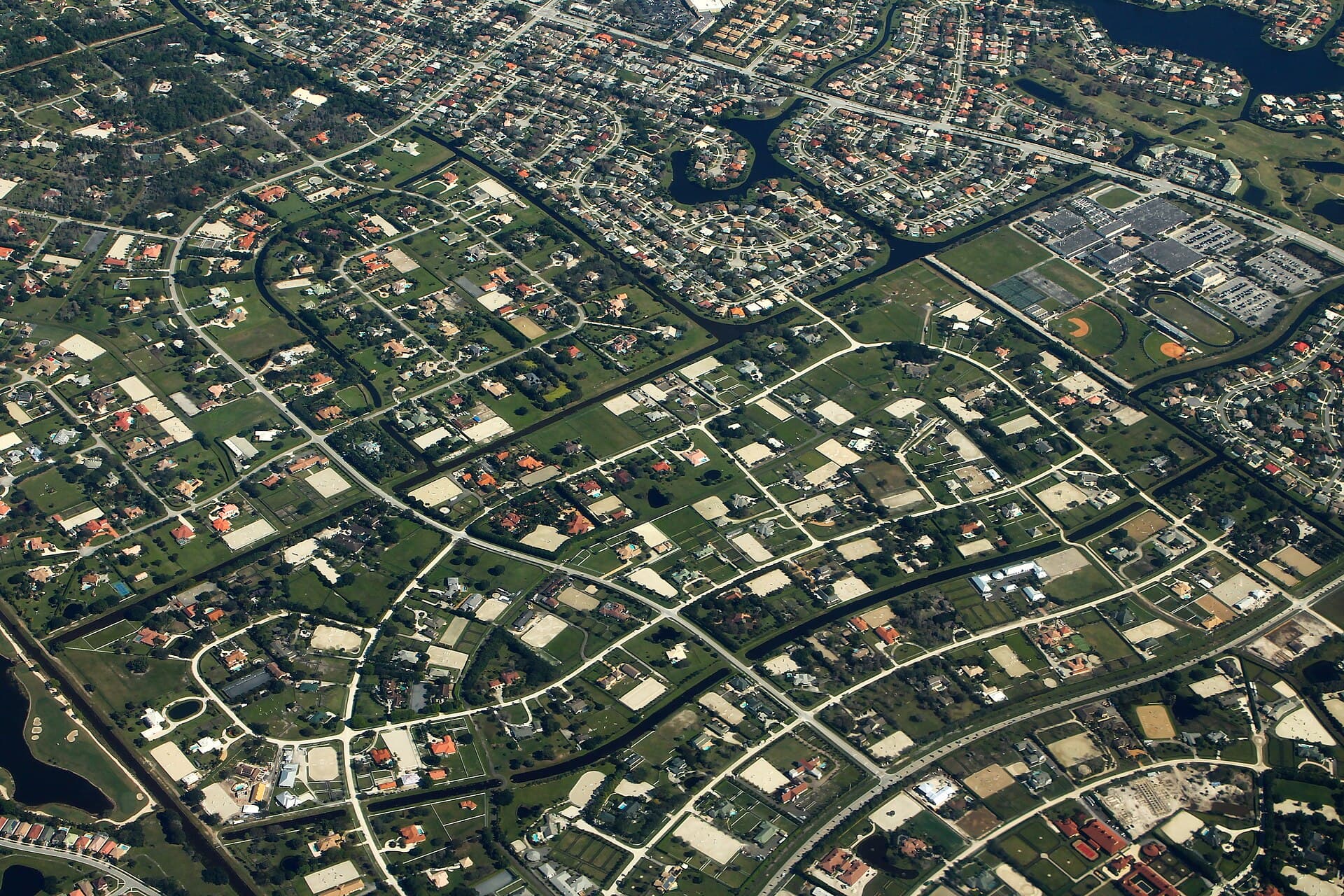
On a map it is one village. In daily life it is two quite different ways of living that happen to share a name and a local government. One is the Wellington of planned neighborhoods, lakes, sidewalks and homeowners associations. The other is the Equestrian Preserve, where the land is organized around barns, paddocks and bridle trails. If you're new to Wellington, it helps to know which one you're picturing before you start touring, because search results will happily show you both.
How one ranch became a village
Wellington is a young town. According to the Acme Improvement District's history, C. Oliver Wellington bought the land that became the Flying Cow Ranch in 1951, and the state created the Acme Improvement District in 1953 to handle drainage. The area once held more than 2,000 acres of strawberry fields.
The Village's own account picks up from there: the first large tract, 7,400 acres, was sold to the Investment Corporation of Florida in 1971, and in 1972 a joint venture between that company and Alcoa began building the community. Wellington incorporated on December 31, 1995, and began operating as a municipality on March 28, 1996. Today the Village covers 45.80 square miles, and the 2020 Census counted 61,637 residents.
That history explains a lot of what you see on a drive through town: much of Wellington was planned and built as a community rather than growing up street by street. And alongside it, the Village has drawn a line around the land where horses come first.
The Equestrian Preserve, in the Village's own words
The Village describes its equestrian community as roughly 9,000 acres in the western and southern portions of Wellington, home to polo, dressage and hunter/jumper venues as well as family farms. The Equestrian Preserve Area is mapped on Wellington's Future Land Use Map, and development inside it is governed by the Equestrian Overlay Zoning District, which the Village Council adopted in 2003.
The overlay is divided into six sub-areas, and the names are useful to know because they come up in listings and in conversation:
- Sub-area A: Palm Beach Little Ranches
- Sub-area B: Paddock Park and Saddle Trail
- Sub-area C: Palm Beach Point and Orange Point
- Sub-area D: Wellington Country Place and The Equestrian Club
- Sub-area E: Rustic Ranches
- Sub-area F: Winding Trails
A few other details tell you how seriously the Village takes this part of town. A seven-member Equestrian Preserve Committee advises the zoning board and the Council on protecting equestrian land, rider and animal safety, drainage and capital projects, and it meets on the first Wednesday of each month. Since 1999 the Village has established and maintained more than 100 miles of public and private bridle trails. Even manure has its own rule: bins must be containerized and covered, sized to the number of horses, and built to keep runoff out of the stormwater system (Code of Ordinances Sec. 9-41).
Lot sizes are where I'm careful. The one figure I'll put in writing is Palm Beach Point's: its property owners association describes a gated equestrian community of more than 800 acres with a 5-acre minimum lot size, connected to Wellington's bridle trail system. For everything else, I read the current rules for the specific parcel.
The other Wellington: neighborhoods and their associations
Outside the Preserve are the planned communities that have grown up since building began in the 1970s. The Village keeps a public map of homeowners associations, and it is one of the first things I check. A few examples from it:
- Olympia has a master association plus 17 village sub-associations, and it is gated.
- VillageWalk has an HOA and is gated.
- Binks Forest has an HOA and is not gated as a whole, but several pods inside it are: Bink's Estates, Binks Pointe, Hidden Creek and Cypress Forest.
- Versailles and Isles at Wellington both have HOAs and gates, and both carry Lake Worth mailing addresses (33449) even though Village street data places them inside Wellington.
That last point catches people. A non-Wellington mailing address does not mean a home is outside the Village, and a Wellington address is not a guarantee of anything either. The same goes for utilities: Wellington Utilities serves about 56,000 residents in its service area, but the Village notes that Olympia, VillageWalk and Buena Vida are served by Palm Beach County Utilities instead. Small details, but they show up on your monthly bills.
Both are Wellington. Knowing which one you're picturing is the first thing we'll sort out.
Where the line blurs
Here is the part that makes Wellington more interesting than a simple east-and-west story. HOA and Preserve are not opposites.
HOA inside the Preserve. Palm Beach Point is gated, has an association, and sits entirely inside Sub-area C. Grand Prix Village, Mallet Hill, Southfields and The Equestrian Club all sit fully inside Sub-area D, and all have associations.
No HOA outside the Preserve. Sugar Pond Manor, all ten of its sections, has no HOA according to the Village's data, and it is outside the Preserve. Most of Greenview Shores is the same, although the Townhomes at Greenview Shores has its own association.
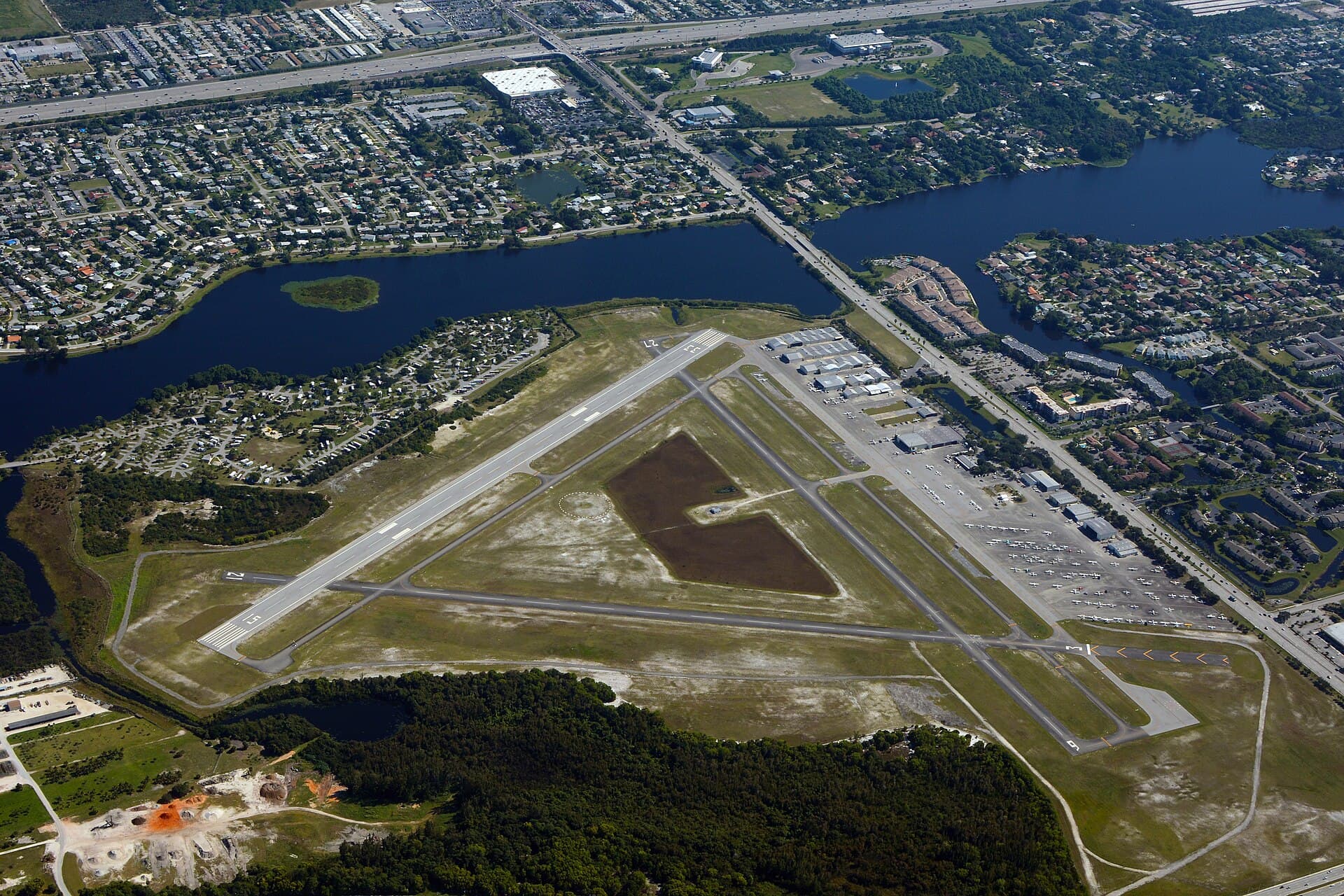
Neighborhoods that straddle the line. Palm Beach Polo & Country Club is mostly outside the Preserve, but about 2 percent of it, the Mallet Hill and Southfields sections, falls inside Sub-area D. Paddock Park is really two neighborhoods: Paddock Park II is in Sub-area B, and Paddock Park I is not. The Aero Club, with its private-use airstrip (FAA identifier FD38), sits just outside the Preserve on the edge of Sub-area C.
Their own overlays. Little Ranches is about 92 percent inside Sub-area A, and Rustic Ranches is entirely inside Sub-area E, which carries a Loxahatchee (33470) mailing address. Each also has its own overlay district on top of the equestrian rules.
One honest caveat: whether a community is "gated" comes from a Village map attribute that doesn't show when it was last updated. I treat it as a starting point and confirm it in person.
Five questions to ask before you tour
When we start looking, these are the questions I work through for any Wellington address. You can start on most of them yourself.
- Is it inside the Equestrian Preserve, and which sub-area? That decides which set of zoning rules applies.
- Is there an association, and is there a master association above it? In Florida, the seller of a home in an HOA community must give you a disclosure summary before you sign the contract, and I'll ask for the full documents early.
- Who provides water and sewer? Wellington Utilities or Palm Beach County Utilities.
- What do you want to do on the property, and do the current rules allow it? Fences, barns, stalls, leasing: the answers live in the regulations and the association documents, and some of them are changing.
- What does the flood picture look like? The Village will provide a free flood zone determination letter for any property within its limits.
If schools are part of your search, the School District of Palm Beach County's boundary lookup is the official place to check which schools serve an address.
Where to go from here
If you're still deciding between the two Wellingtons, my Wellington community guide walks through parks, roads and daily life, and the equestrian properties page goes deeper on buying in the Preserve. If you already know which one you're picturing, the buying page explains how I work with buyers from the first conversation to the closing table.
And if you'd rather just ask, text me. Wellington is home for me, and I'm happy to talk through a specific street, a specific neighborhood or a specific plan.
Sources · 17
- Village of Wellington: About Wellington · viewed September 27, 2026
- Acme Improvement District: History · viewed September 27, 2026
- Village of Wellington: Wellington Demographics · viewed September 27, 2026
- Village of Wellington: Equestrian FAQs · viewed September 27, 2026
- Village of Wellington: Equestrian Preserve Committee · viewed September 27, 2026
- Village of Wellington: Land Development Regulations · viewed September 27, 2026
- Citizen Portal: Wellington board pauses Equestrian Overlay zoning text amendment (Jan 21, 2026) · viewed September 27, 2026
- Village of Wellington: Official Zoning Map, Exhibit B, Ordinance 2025-01 · viewed September 27, 2026
- Village of Wellington GIS: Equestrian Overlay Zoning District sub-areas · viewed September 27, 2026
- Village of Wellington GIS: Home Owner Association layer · viewed September 27, 2026
- Village of Wellington GIS: Streets (municipality and ZIP code) · viewed September 27, 2026
- Village of Wellington: About Utilities · viewed September 27, 2026
- Village of Wellington: Utilities FAQs · viewed September 27, 2026
- Palm Beach Point Property Owners Association · viewed September 27, 2026
- AirNav: FD38 Wellington Aero Club (FAA data effective 2026-09-03) · viewed September 27, 2026
- Village of Wellington: Flood Zone Determination · viewed September 27, 2026
- Florida Statutes s. 720.401: HOA disclosure summary · viewed September 27, 2026